You’d Rather Put It In a Will Than Say It Out Loud
Have you ever laughed at something and felt your chest tighten at the same time?
I was sitting in Financial Peace University a couple weeks ago when Dave Ramsey made a joke about wills. He said something along the lines of: create your will, then tell everyone what’s in it. Who’s getting what. Who’s not. Don’t make them wait.
The room laughed.
Some people laughed comfortably. But some people — I could feel it — laughed the kind of laugh that’s really just air escaping from somewhere tight. The kind that means: yeah, that landed somewhere real.
I was one of those people.
Not because I don’t have a will. But because the joke wasn’t really about wills.
It was about how long we wait to say the things that matter. How we will put it in a legal document before we’ll say it out loud while we still have the chance.
And I couldn’t stop thinking about that.
Sitting in that room, something clicked that I haven’t been able to shake:
We will literally plan for our death before we’ll have an uncomfortable conversation while we’re alive.
We’ll divide up property. Assign percentages. Hire an attorney. Sign our name. We’ll put the whole thing in writing, notarized and filed, every last decision documented.
But we won’t say:
Here’s how I actually feel. Here’s what I need you to understand. Here’s why things are the way they are. Here’s what I’ve been carrying that you don’t know about.
Instead, we let the document do it.
And if we’re being honest, for some families, that document is the first time anyone realizes how someone really felt. About the house. About the money. About which relationship mattered and which one didn’t.
That’s not just sad. That’s a missed conversation. A lot of them, actually.
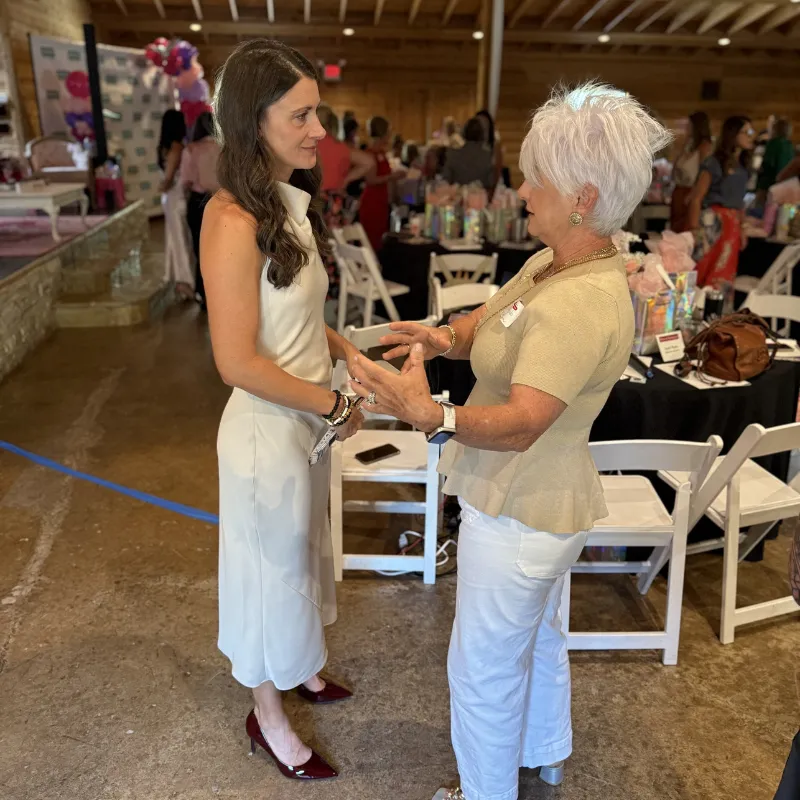
A will is a one-way conversation.
It speaks. You don’t get to clarify. You don’t get to answer the follow-up questions. You can’t repair a misunderstanding from wherever you are when it gets read.
It’s final.
A real conversation is alive. It can shift. It can soften. It can misunderstand something and then re-understand it. It can go sideways and still find its way to repair.
That’s not a small difference. That’s everything.
I want to be clear: this isn’t just about estate planning.
This is about how many conversations we’re not having. Right now. In our families. In our partnerships. At work. With friends we’ve been quietly pulling away from.
We avoid talking about money. About resentment that’s been sitting there for years. About disappointment we decided wasn’t worth bringing up. About boundaries we needed to set three years ago. About truth that feels too risky to say out loud.
And we have very good reasons. Reasonable-sounding ones.
It’s not the right time. I don’t want to upset them. It’ll probably work itself out. It’s not worth the conflict.
Please hear me when I say, sometimes those things are true. Sometimes a conversation really can wait. Sometimes a conversation really isn't safe.
But a lot of the time? The delay just becomes the new normal. And the new normal turns into confusion. Or quiet distance. Or resentment that nobody named, so nobody could ever actually clear.
Or a document speaking for you when you’re no longer here to say what you meant.
Here’s what most people miss: avoidance doesn’t make hard conversations disappear. It just creates opportunity for them to be handed to someone else, at a worse time, and sometimes without you in the room.
We avoid hard conversations because somewhere we learned that bringing something up means starting a fight.
That saying what’s true means being dramatic.
That needing to clear the air is making things bigger than they need to be.
I think it’s why a lot of us stay quiet.
So we stay small. We stay quiet. We decide it’s not worth it.
But hard conversations aren’t about being aggressive. They’re not about being dramatic or making someone the villain or winning an argument.
They’re often about completion.
Sometimes a hard conversation leads to connection — the kind that’s actually deeper because you said the thing.
Sometimes it leads to clarity that changes a decision.
Sometimes it leads to separation, and that’s okay too, because at least you both know where you stand.
Sometimes it just reinforces a boundary that needed reinforcing.
But they always create movement.
Avoidance creates stagnation. And stagnation has a cost, even when it’s quiet.
Especially when it’s quiet.
And here’s the turn I didn’t expect when I sat down to write this.
I’ve been thinking about which conversations I’ve been avoiding. Not the big dramatic ones. The quieter ones. The ones I keep pushing to “a better time” that somehow never arrives.
The check-in with someone I care about that I keep meaning to have.
The boundary I’ve been soft-pedaling instead of saying directly.
The truth I keep softening so much it loses its shape entirely.
And I know I’m not alone in that.
So here’s something to sit with — not as homework, not as pressure, just as an honest question:
What conversation are you avoiding right now that could change something?
Not the surface answer. Not the logistics. What’s actually underneath the delay?
Fear of rejection? Fear of conflict? Fear of being misunderstood?
Fear of finding out something you’re not ready to know?
Fear of being wrong about something you’ve been certain about for years?
You don’t have to act on it today. You don’t have to announce it to anyone.
But be willing to sit with it long enough to actually see it.
Because sometimes the hardest conversation isn’t the one we’re avoiding with someone else.
It’s the one we won’t have with ourselves.
And when we skip that one, we tend to keep skipping all the others too.
You get to practice this now. While everyone is still here. While relationships are still intact enough to repair. While the thing you want to say can still be heard by the person you need to hear it.
Not perfectly. Not without discomfort. Not with a guarantee of how it’s going to land.
But intentionally. While you’re still alive to participate in it.
Because a will is final. A conversation doesn’t have to be.
And you still get to choose.
If any of this resonated and you want to explore what that work looks like for you or your team, this is exactly what we do at MotivAction®. Come find us at MotivAction.academy


